Seasonal Shifts Shape Multi-Leg Betting Approaches in European Football Leagues
Hugo Hartmann · Aug 16, 2026
Seasonal Shifts Shape Multi-Leg Betting Approaches in European Football Leagues
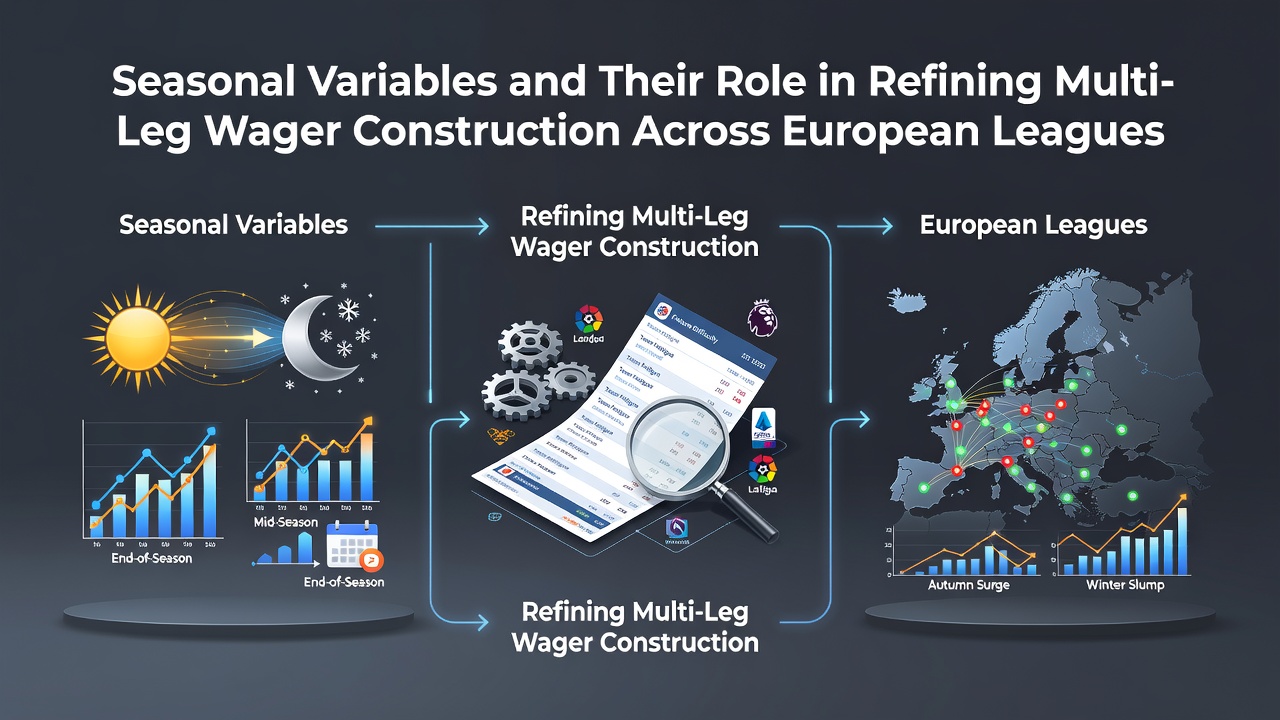
European football leagues operate under distinct seasonal patterns that influence match outcomes and create measurable effects on multi-leg wager construction. Data from major competitions shows that variables such as temperature fluctuations, fixture congestion, and transfer windows alter team performance metrics across the Premier League, La Liga, Bundesliga, and Serie A. Observers note these patterns repeat annually, with early season matches in August often displaying higher variance in results compared to mid-season fixtures.
Weather Patterns and Their Statistical Footprint
August 2026 marks the opening of new domestic campaigns across the continent, where warmer temperatures in southern leagues contrast with cooler conditions further north. Research from sports analytics groups indicates that teams in La Liga record different goal averages during the first month of the season when heat affects player endurance. Meanwhile, Bundesliga sides adapt to variable conditions that impact high-pressing styles, with studies linking reduced sprint distances to early autumn weather shifts. These environmental factors feed directly into multi-leg selections because they modify expected totals and margin probabilities in accumulator structures.
Fixture Congestion and Squad Rotation Effects
European competitions add layers of scheduling pressure through Champions League and Europa League involvement. Teams facing multiple midweek fixtures experience measurable dips in domestic performance, according to performance tracking data compiled by league analysts. Multi-leg wager builders adjust selections by avoiding accumulators that combine several congested teams within the same leg group, since historical records reveal elevated draw rates and lower goal tallies under such conditions. One study from a German sports science institute tracked rotation impacts across 15 seasons and found consistent patterns in how managers distribute minutes after international breaks.
Transfer Windows and Squad Evolution
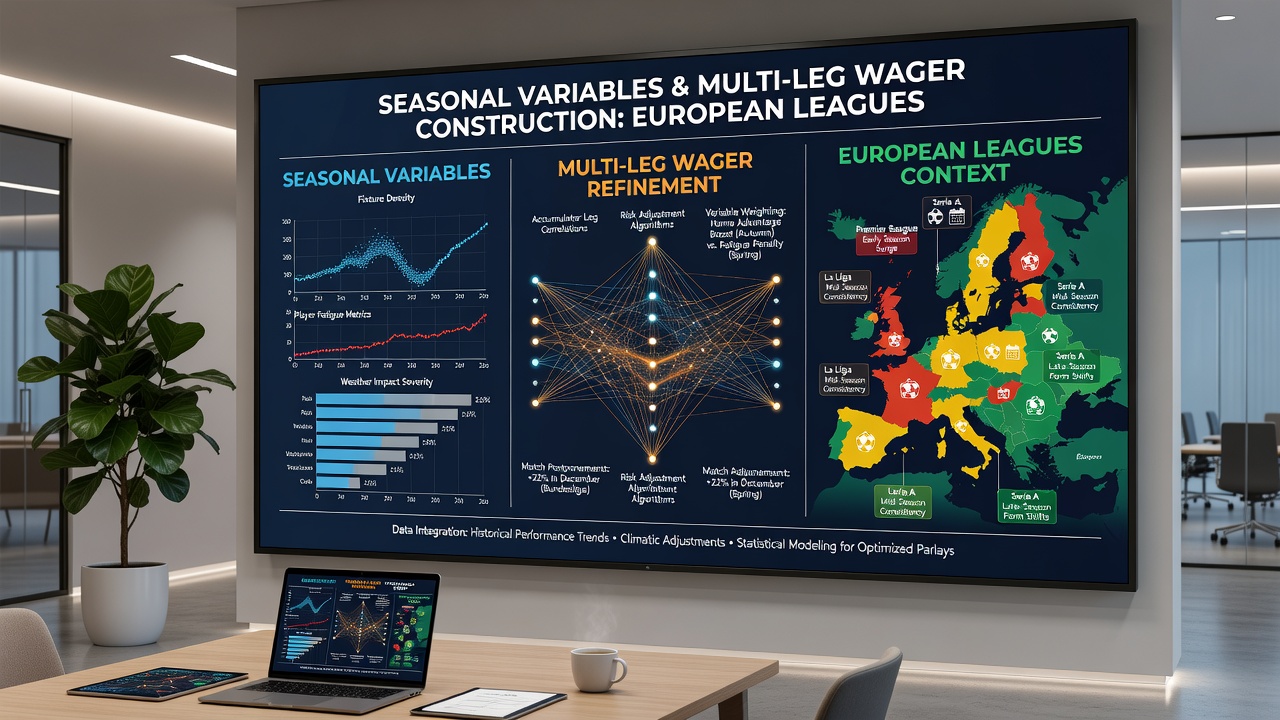
The summer transfer period ending in early September creates another variable that affects early-season form. New signings require adaptation time, and statistics compiled by European football federations demonstrate that teams with heavy recruitment show different results in their opening six matches compared to settled squads. Multi-leg constructions often incorporate this knowledge by weighting established lineups more heavily in August and September legs while monitoring integration metrics for recently assembled groups. Winter windows introduce smaller but still relevant disruptions, particularly in leagues without extended breaks.
League-Specific Seasonal Characteristics
Each competition displays unique seasonal rhythms that refine wager construction. The Bundesliga maintains a winter pause that resets fatigue levels, producing distinct second-half trends compared to leagues that continue through December and January. Serie A records show slower starts for many sides due to tactical setups that take longer to gel, while Premier League data reveals higher goal outputs during festive periods despite dense schedules. Those constructing multi-leg wagers across borders combine these league-specific tendencies with overarching seasonal data to balance selections. Figures from industry reports highlight how cross-league accumulators benefit from avoiding clusters of teams entering similar transition phases simultaneously.
Integrating Data Sources for Refined Construction
Performance databases and weather services provide the raw inputs for adjusting multi-leg models. European Gaming and Betting Association reports track how seasonal variables correlate with betting market movements, while academic papers from sports universities examine performance decay linked to travel and climate. Builders of these wagers combine such sources to recalibrate probabilities rather than relying on static season-long averages. August 2026 data releases from multiple leagues will offer fresh benchmarks for testing these adjusted frameworks.
Conclusion
Seasonal variables operate as measurable inputs that shape multi-leg wager outcomes across European leagues. Weather, scheduling density, transfer activity, and league-specific calendars each contribute distinct statistical signatures that repeat across seasons. Those refining accumulator structures apply these patterns by adjusting selections according to documented trends rather than uniform assumptions. As new campaigns unfold, ongoing collection of performance metrics continues to support more precise construction methods tailored to each phase of the football calendar.