The Silent Game: Interpreting Physical Cues During Live Casino Poker Sessions
Nils Sullivan · Jun 12, 2026
The Silent Game: Interpreting Physical Cues During Live Casino Poker Sessions
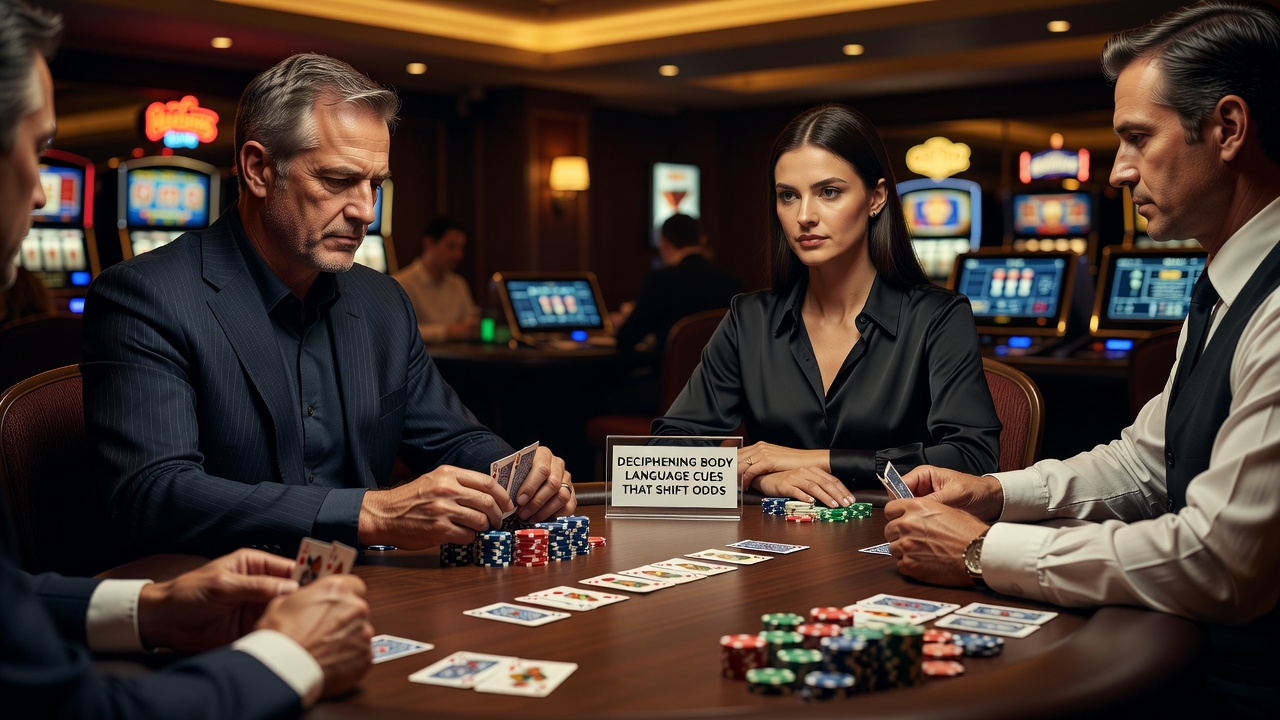
Live poker rooms operate on layers of information beyond the cards themselves, and body language forms one of those layers that participants track consistently across sessions; observers note that certain physical signals appear repeatedly in high-volume environments like those in Las Vegas and Atlantic City, where data from the Nevada Gaming Control Board shows continued growth in table game participation through June 2026. Researchers at institutions such as the University of Nevada's International Gaming Institute have examined how nonverbal cues interact with betting patterns, finding that posture shifts, eye movements, and hand gestures often correlate with hand strength in controlled observation studies.
Common Physical Signals at the Felt
Players frequently lean forward when holding strong hands, while those with marginal holdings tend to sit back or cross their arms; these patterns emerge because tension builds differently depending on the situation, and multiple studies have tracked such movements across thousands of hands. Breathing rate changes also surface during critical decisions, with quicker inhalations sometimes indicating stress from weak holdings, whereas steady rhythms appear more often among those holding premium cards. Hand tremors or chip fiddling occur in some cases when participants feel uncertain, yet experienced observers distinguish between habitual movements and stress-induced ones by watching consistency over multiple rounds.
Facial Expressions and Micro-Movements
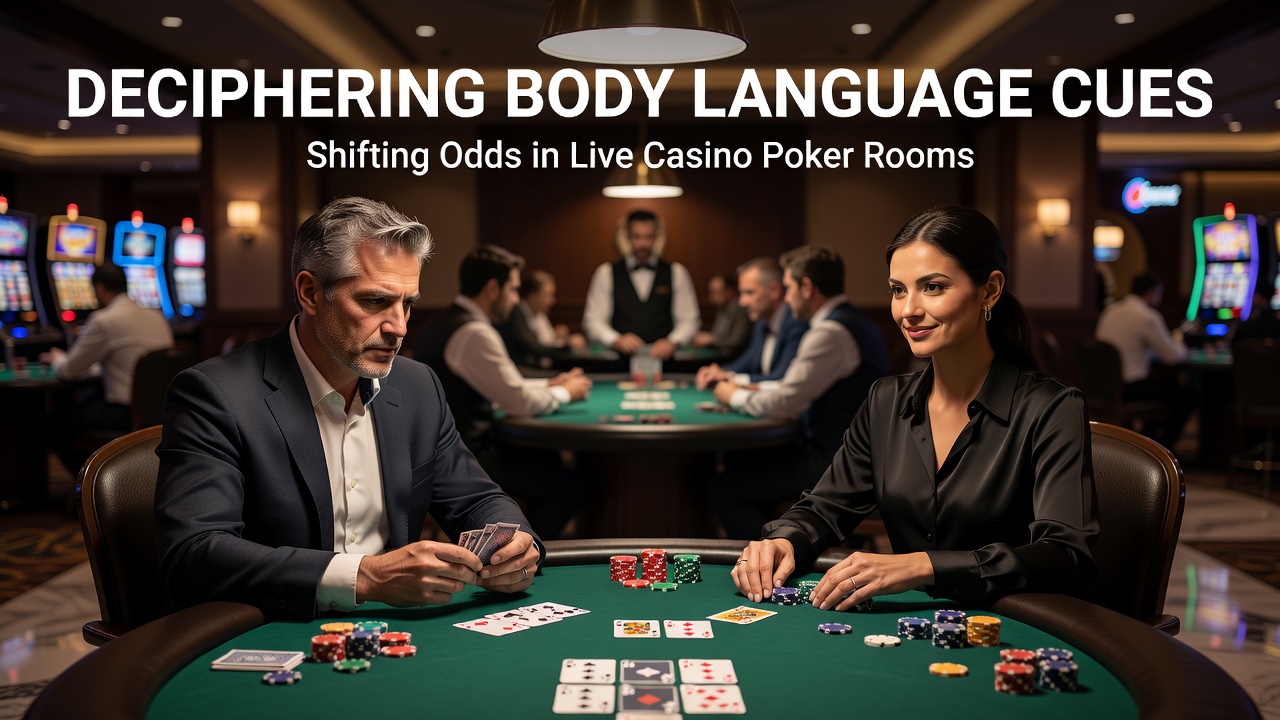
Eye contact avoidance shows up regularly when players attempt to mask excitement, and researchers document this through video analysis of tournament footage; conversely, prolonged staring sometimes signals an attempt to project strength. Micro-expressions around the mouth and eyebrows flash briefly during bluff attempts, lasting fractions of a second, according to work from cognitive psychology labs that apply these observations to poker contexts. Smiling patterns vary too, with genuine smiles reaching the eyes while forced ones stop at the mouth, and players who monitor these distinctions gain measurable edges in extended sessions.
Betting Actions Tied to Body Language
Chip handling reveals additional details because players who stack chips neatly before betting often prepare for larger wagers, while erratic movements precede smaller or hesitant actions; the American Gaming Association reports that live poker revenue remains stable partly because these rooms reward attentive participants who combine physical observation with probability calculations. Voice tone during verbal declarations provides further context, since volume drops sometimes accompany bluffs and louder declarations align with value bets in observational data collected from multiple venues. Posture changes after the flop, such as sudden relaxation or rigid sitting, frequently precede continuation bets or check-folds, allowing those who track sequences to adjust their own ranges accordingly.
Regional Variations in Observation Practices
Casinos in different jurisdictions maintain distinct atmospheres that influence how body language manifests; European venues emphasize quieter environments where smaller gestures stand out more clearly, whereas North American rooms feature higher ambient noise that forces observers to focus on visual signals alone. Australian regulatory bodies have funded research into responsible play that includes notes on reading opponent behavior without crossing into harassment, and similar approaches appear in Canadian provincial gaming reports. These studies emphasize that consistent patterns emerge only after hundreds of observations, not from single instances.
Training Methods Used by Regular Participants
Many regulars review recorded sessions to catalog their own tells and those of frequent opponents, creating personal databases that improve over time; this practice draws from academic work on nonverbal communication published in journals focused on decision science. Online forums and training platforms distribute anonymized hand histories paired with physical descriptions, though live application requires direct table experience to refine accuracy. Groups that meet for low-stakes practice sessions often rotate roles so each person practices both concealing and detecting signals under controlled conditions.
Conclusion
Body language observation in live poker rooms integrates with mathematical strategy rather than replacing it, and data from multiple gaming jurisdictions confirms that participants who combine both elements maintain longer session viability. Physical cues appear across skill levels, yet their predictive value increases when tracked systematically alongside bet sizing and position. As live poker continues through 2026, these nonverbal elements remain part of the environment that shapes outcomes at the table.